
Route Matching
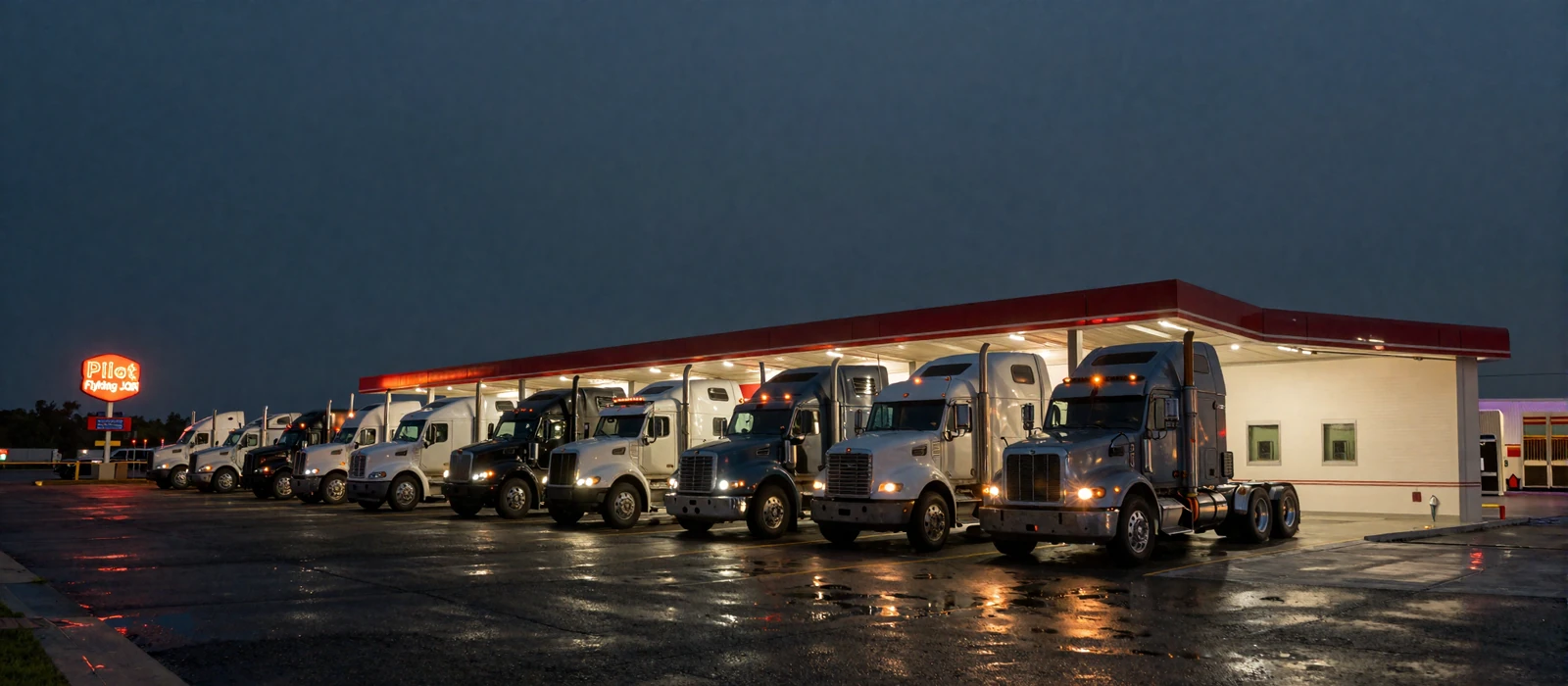
Niche platforms now match on where you are heading, not just where you parked tonight. A driver running Dallas to Denver on Wednesday gets matched with people on that lane - not penalized for being 900 miles from home base.
A grounded look at the life of a truck driver - the long miles, the quiet truck-stop nights, and the way love finds a way in even when home is still 1,400 miles east.
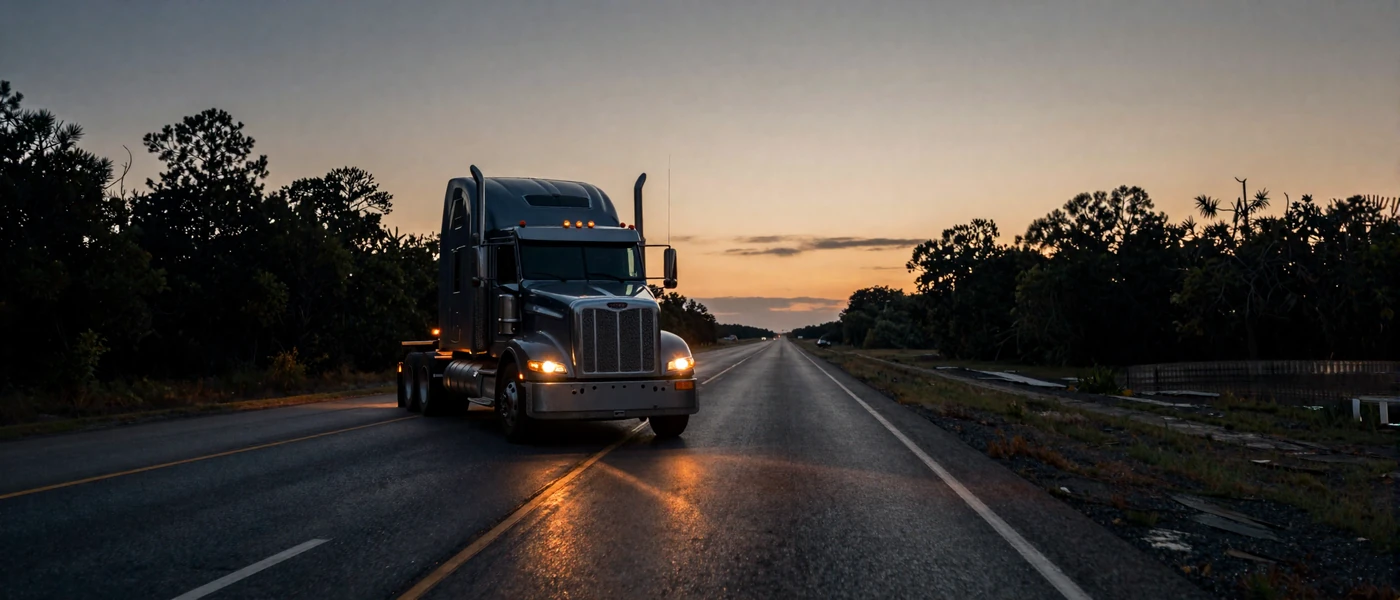
Roughly 28% of American truck drivers report chronic loneliness, and 27% live with depression - numbers a 2023 study in the International Journal of Environmental Research and Public Health put on the page in plain ink.
That is the part most outsiders miss when they picture life on the road. They see the chrome stacks, the open horizon, the freedom of country songs. They do not see the third Tuesday in a row eating microwave chili at a Pilot Flying J outside Amarillo, scrolling through photos of a kid who learned to ride a bike while Dad was hauling reefer through Nebraska.
This piece is not a pep talk. It is a portrait - drawn from forum threads, driver interviews, and research on what the lifestyle actually costs. If you drive, you will recognize a lot of it. If you love a driver, you will understand a little more by the end.
The rhythm of long-haul work is unlike any other job in America. Drive My Way, a recruiter that talks to thousands of OTR drivers a year, puts it bluntly: rigid travel schedules, a week or more away from home, fourteen-hour driving days, and nights spent on a stoplit gravel lot. New relationships almost never survive the first six months without a deliberate plan.
Here is the thing most dating articles get wrong about OTR life. The hardest part is not the absence - it is the asymmetry. You are watching the sunrise crack open over the Texas Panhandle while she is loading the dishwasher in Akron. You are eating breakfast at 11 p.m. because your clock flipped three time zones ago. The job lives at a different speed than the people you love.
Then there is the social side. A long-haul cab is essentially a small studio apartment that moves. You eat alone. You sleep alone. The CB radio offers a few minutes of company; the satellite radio fills in the rest. Friendships back home drift sideways when you cannot show up for the Saturday cookout three weekends in a row. The people who stay close are the ones who learn to text at trucker-time - short bursts, no offense taken when you go silent for ten hours.
"I wasn't lonely in the cab. I was lonely in the gap between the cab and home - that hour after I parked, before anyone picked up the phone." - Marcus, OTR driver, 11 years on the road
Drive My Way also points out the upside, and it is worth saying out loud: there is a real community of drivers who pull this off. They stay married. They raise kids. They build relationships that outlast 14-day trips, weather closures on I-80 through Wyoming, and dispatchers who do not know what a birthday is. The lifestyle does not break people on its own. The lack of a plan does.
Hollywood loves the truck-stop romance as a punchline. The reality is quieter and a lot more human. A truck stop at 2 a.m. is one of the few honest places left in America - everyone there is tired, everyone there is mid-journey, and nobody is performing for anyone. That is fertile ground for a real conversation, even a real connection.
Forum threads at AllTruckJobs and TruckingTruth tell the same story over and over: partners who see each other once every three or four months, who talk by phone a few times a week, who somehow feel closer than couples who share an address. The shared thread is always the same - both people understood the job before they signed up. Nobody is pretending the schedule is going to change.
If the truck-stop dimension of the lifestyle is something you want to read more about, our deeper piece on truck stop loneliness and modern dating walks through the mental-health side without flinching. And if you happen to run the I-35 corridor, the Dallas trucker dating page covers which stops near the metroplex are popular meet-up points for verified couples.
The last five years did more for trucker romance than the previous fifty. Three shifts in particular changed what is possible from inside a sleeper berth.
Niche platforms now match on where you are heading, not just where you parked tonight. A driver running Dallas to Denver on Wednesday gets matched with people on that lane - not penalized for being 900 miles from home base.
Voice notes, scheduled sends, and shift-aware chat let conversations breathe across time zones. No more anxiety that a slow reply means disinterest - the system knows you are on a 10-hour drive clock.
Skype and FaceTime turned the sleeper berth into a living room. McAfee reports 1 in 5 dating-app users now encounter AI bots - which makes verified, face-on-camera platforms the new baseline for trust.
Here is where it gets interesting. In 2025, mainstream apps like Hinge added AI prompt feedback and Tinder rolled out group-format features. None of them solved the trucker problem - none of them know what a fuel stop is. Niche platforms built around the road lifestyle did. That is the quiet reason the conversation has shifted: the technology finally caught up to the way drivers actually live.
Two drivers, two different routes, one shared lesson: the lifestyle is not the obstacle most people think it is - once both people are in on the plan.

I drove 14 years before I met someone who actually got the schedule. Now we do a 9 p.m. video call after I park, every night I am on the road. Eight months in and it feels easier than any of my 9-to-5 relationships ever did.

Romance on the road used to feel like a contradiction. Now I send a sunrise photo from Iowa, she sends me her coffee at the desk, and it actually counts as a moment together. The technology did not replace the relationship - it gave it a heartbeat between Tuesdays.
The questions drivers and their partners actually search for - answered straight.
Yes - niche platforms built specifically for the trucker lifestyle now exist, and they solve the core problems mainstream apps cannot. DatingLawn matches on route overlap and verified CDL profiles instead of static location, so a driver in Oklahoma running freight to Pennsylvania is not penalized for being 800 miles from home base. The result is far fewer wasted swipes and a much higher chance of meeting someone who already understands a 14-day haul.
Long-haul drivers spend 2-3 weeks at a time alone in a small cab, eating most meals by themselves and sleeping in lit parking lots. A 2023 study published in the International Journal of Environmental Research and Public Health found that 28% of drivers report chronic loneliness and 27% live with depression - both well above the national average. The job is not socially designed; the loneliness is structural, not personal.
Be specific in your profile about understanding the schedule. Drivers scroll past vague profiles fast - what makes them stop is a line like "okay with 2-week hauls" or "happy with parked-truck video calls." Use a niche platform where they actually look, mention any road or travel interests honestly, and lead with patience rather than pressure. Drivers value reliability over romance; show that early and you will get a real conversation.
It can - and forum data from AllTruckJobs and TruckingTruth shows it routinely does. The couples who succeed share three habits: they treat the schedule as a logistics problem rather than a betrayal, they book recurring video calls after the truck parks for the night, and both people had independent lives before they paired up. Couples missing any of those three tend to burn out by month six.
Audiobooks and podcasts dominate the driving hours. Off-duty time is split between video calls home, gym visits at full-service truck stops, fishing on layovers, and trucking communities on CB radio and Reddit. A surprising number of drivers are amateur photographers - the sunrises across the Great Plains are part of the perk. Most drivers say the entertainment is fine; the social hours are where the gap shows.
Generally yes, but it brings new tradeoffs. Local drivers are home every night, which solves the absence problem - but the days are 10 to 14 hours long and the pay is typically lower than OTR. Many drivers go OTR until they have someone to come home to, then take a regional or local job once the relationship is established. The lifestyle gets easier on the relationship in exchange for less money in the bank.
Three more reads that pair well with this one - whether you are working through the loneliness, planning the communication, or wondering if the lifestyle is for you.
 Lifestyle
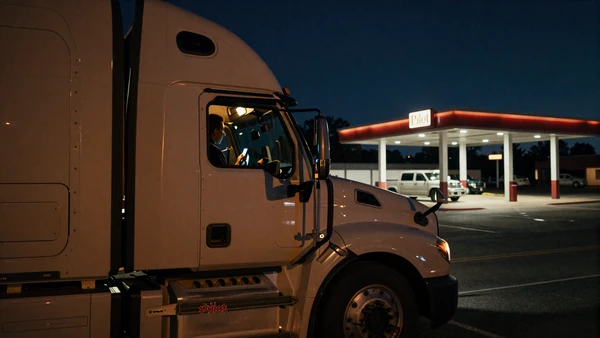
The mental-health side of the long haul - and how niche platforms, voice notes, and verified video calls are quietly changing the loneliness equation.
 Tips
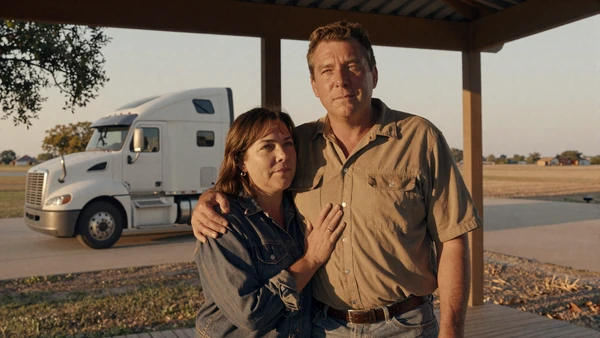
Driver types, schedule expectations, and daily habits that make trucker relationships work. Written for partners who want the truth - not a recycled list.
 Relationships
Two to three weeks apart is the OTR norm. The communication playbook real couples use to keep love alive across state lines.