

Claims to live or work overseas
Says they are on a long international haul, deployed abroad, or working on an offshore rig. Convenient distance is the foundation of nearly every romance scam.
A defensive, FBI-backed playbook for women who love truckers - and for every CDL driver tired of weeding out fake profiles. Spot the red flags, verify in five minutes, and plan a first meeting that protects you from day one.
Romance scams are the most expensive lie on the internet. The FBI's Internet Crime Complaint Center logged $672 million in romance-scam losses from American victims in a single recent year, and hundreds of thousands of Americans are targeted annually. Niche communities - including trucker dating - attract scammers precisely because the lifestyle gives them a built-in excuse: "I am overseas on a long haul," "the rig broke down," "I just need help wiring funds home."
Here is the thing: a few small habits - five-minute verification, daylight first meetings, one unbreakable money rule - strip almost all of that risk away. This guide is the playbook we wish every new member used before sending a single message.
Homeland Security Investigations publishes a public list of romance-scam indicators. The pattern is consistent across niches - once you learn it, you spot it inside the first three messages.
The strongest single signal is rarely subtle. If your bank calls you out of concern about a transfer to someone you met online, treat that as a confirmed scam until proven otherwise. Banks do not flag normal romantic relationships.
Says they are on a long international haul, deployed abroad, or working on an offshore rig. Convenient distance is the foundation of nearly every romance scam.
Profile says born in Texas, but the writing is awkward, formal, or uses phrasing no native speaker would use. AI tools have improved this - but inconsistency over weeks is still a tell.
Within days or even hours, the relationship feels accelerated. Scammers manufacture intensity to bypass your judgement before you spot the cracks.
Search the name and you find nothing - no LinkedIn, no Facebook history, no tagged photos with friends. Real adults leave a small but visible digital footprint.
Pictures look like stock images, models, or AI generations - luxury settings, perfect lighting, no candid mess. Reverse-search every photo before you reply seriously.
Excuses pile up: bad signal at the truck stop, broken camera, "shy on video." A real driver will eventually park and FaceTime for two minutes. A scammer will not.
Wants to move to WhatsApp, Telegram, or Google Chat fast. The goal is to escape the platform's moderation and reporting tools. Keep conversations on the dating site until trust is real.
Requests gift cards, crypto, wire transfers, or "help with a customs fee." Sometimes pitches a crypto or Forex investment instead. This is the scam crystallizing - block immediately.
Before you invest emotional energy in a new conversation, run this quick verification routine. Real people never mind it. Scammers get frustrated and disappear - which is exactly the outcome you want.
For a deeper walkthrough of platform-level protections, our full safety tips page covers blocking, reporting, and IC3.gov filing in detail.
The first in-person meeting is the highest-leverage moment in any online relationship. Three rules - public place, your own ride, someone knows where you are - close almost every common risk before the date starts.
A busy truck-stop diner, a coffee shop, a roadside restaurant - somewhere with staff, cameras, and other customers. Lunch beats dinner. Bright beats dim.
Take your own car, share your live location with a trusted friend, and keep your keys on you. Never accept "I will pick you up" on a first date. Independence is your safety net.
Share who you are meeting, where, and when. A quick text check-in halfway through and at the end. If something feels off, leave early - no excuse needed. Call 911 if you ever feel unsafe.
Your intuition is data. If the conversation feels off, if the photos do not quite match the person across the table, if you are pressured to drink more or leave with them - end the meeting. A real partner will respect a short first date. A predator will push.
No cash. No gift cards. No crypto. No wire transfers. No "loans" you will be paid back next week. No "customs fees" to free a shipment. No exceptions - no matter how convincing the story, how official the documents look, or how badly you want to help.
If money is asked for, the relationship is the scam.
If something feels wrong - listen to it. Acting fast contains the damage and helps protect the next person the scammer would have targeted. Scammers are professionals; there is no shame in being targeted, only in waiting to act.
The safety questions women ask most often before joining a trucker dating platform.
Look for three things: a willingness to do a short video call, consistency in their story over several weeks, and a small but real online footprint outside the dating app. Real drivers have route photos, a CB-radio handle, dispatcher details, and a normal social-media presence. Scammers resist video, contradict themselves, and have almost no traceable history. Reverse image search every profile photo before you reply seriously.
Use three tools: reverse image search on every photo, a short video call within the first week, and a strict rule against any money transfer before meeting in person. Real connections survive all three. Romance scams collapse the moment any one is enforced. Verified-profile platforms with active moderation cut your exposure further - most scams happen on free, unmoderated apps.
A phone number can be used to find your full name, social-media profiles, and sometimes your home address through reverse-lookup services. It can also be used for SIM-swap attempts and targeted phishing. On a first conversation, keep messaging inside the dating platform. Share your number only after a video call confirms identity and you are ready to meet in person.
Free, unmoderated apps consistently show higher rates of fake and bot accounts than paid or verified platforms. Industry audits from 2025 found roughly one in five users encountered a bot on free general dating apps, versus single-digit rates on platforms with verification badges and active moderation teams. The trade-off for paying - or using a freemium platform with verification - is significantly cleaner browsing.
Yes - when the meeting is at a busy truck-stop diner or restaurant in daylight, you drive yourself, and a friend knows where you are. Truck stops are public spaces with staff, cameras, and constant traffic, which makes them safer than a private location. Avoid meetings inside cabs, parking-lot rendezvous, or anywhere isolated until trust is established over multiple in-person dates.
Treat it as a confirmed scam. Stop sending messages, block the user on the platform and your phone, save screenshots, and report the profile to the site's moderation team. If you already sent money, contact your bank immediately and file a report at ic3.gov (FBI Internet Crime Complaint Center) and reportfraud.ftc.gov. There is no legitimate reason a real partner you have not met would ask you for cash, gift cards, or crypto.
If this guide helped, these three pieces go deeper on verifying profiles, choosing the right platform, and avoiding the algorithm traps that put women in front of fake accounts in the first place.
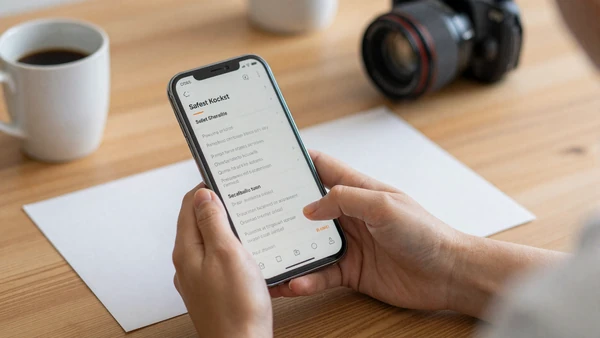 Safety
Verification, blocking, reporting, and filing with IC3.gov. The full safety reference for every member, expanded with state and platform specifics.
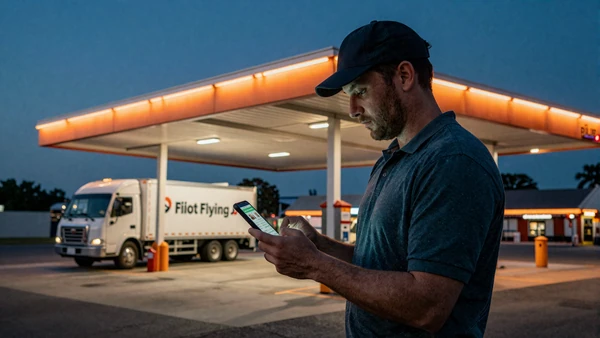 Reviews
Route matching, verification, freemium pricing. We tested the top niche platforms and ranked them on the criteria that actually keep women safe.
 Analysis
The algorithm penalties that put CDL drivers - and the women dating them - in front of more scammers and fewer real matches. And what to use instead.